Options, what's included and how to choose
DMZ tour from Seoul: which option to book
Three DMZ tour options from Seoul compared: what each includes, what it leaves out, and how a guided group day differs from other ways to visit.
Check dates and availability ↗Quick answer
Book the standard DMZ tour if you want the core border sites in one day from Seoul. Add the defector museum if you want that exhibition too, or the suspension bridge if you want a mountain walk. The booking includes a licensed guide, entrance fees and a shared transfer, but not meals or the JSA. Closures happen, so no stop is guaranteed. When booked through GetYourGuide, you can cancel free up to 24 hours before.
Three options on the same tour
| DMZ tour | With museum | With bridge | |
|---|---|---|---|
| Extra stop | None | Defector museum | Suspension bridge |
| Extra ticket | None | Museum ticket included | Extra fee |
| Limit | None listed | 20 guests a day | None listed |
| Best for | The core sites | Added context | A mountain walk |
What you're booking
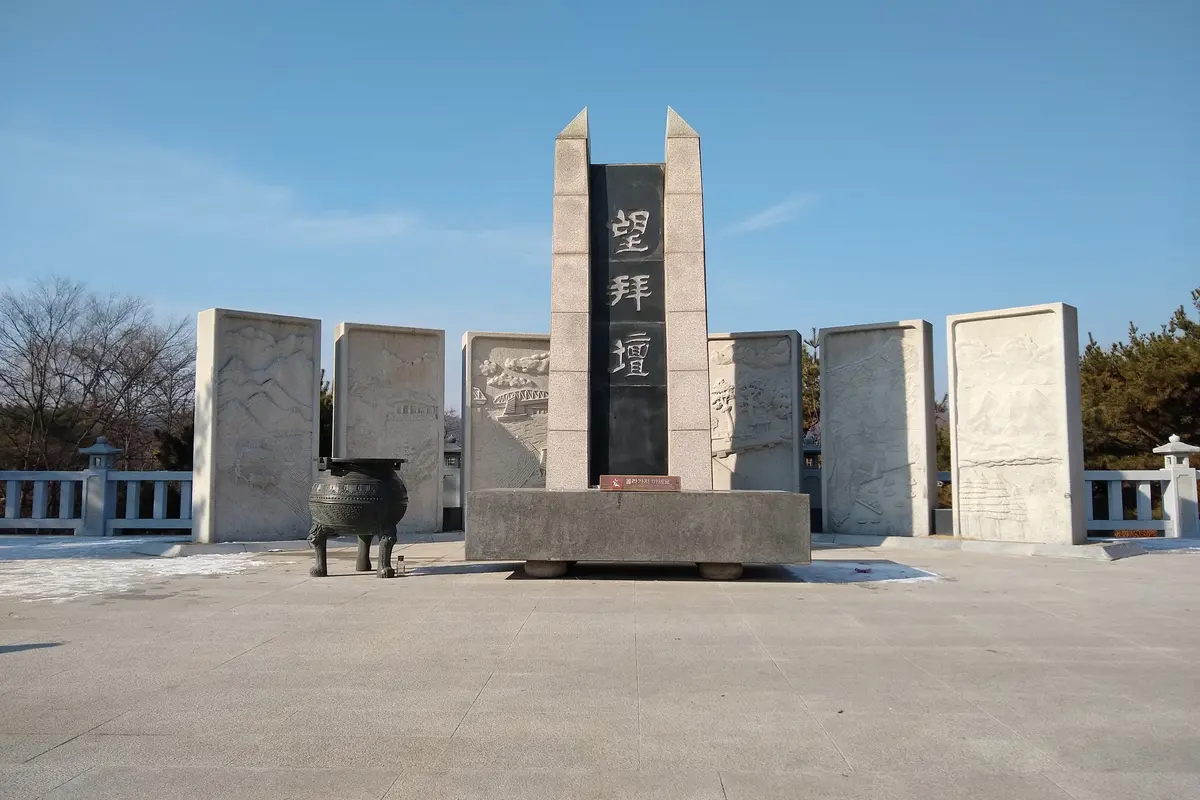
This is a guided group day tour from Seoul, not an entry ticket. The provider, I LOVE SEOUL TOUR Co., Ltd., supplies a live guide in English, Japanese or Chinese, entrance fees, and a shared round-trip transfer by air-conditioned bus or people carrier. The stops the booking names are Imjingak, Freedom Bridge, the 3rd Tunnel, Dora Observatory and Unification Village, with a suspension bridge as an optional extra. You choose one of three options when you book. The booking calendar and your confirmation show the start time and pickup for your date.
Which option to choose
The standard DMZ tour is the right default for a first visit. It covers the named stops and nothing more, so it is the simplest day. The second option adds the North Korea Human Rights Center, a defector museum, with its ticket included. The third adds the Gamaksan suspension bridge, a mountain walk at an extra fee. Both extras change how your day is spent, so choose the one that matches why you are going, not the one that sounds most impressive.
- Standard tour: the named border sites, with no add-on
- With the museum: an exhibition on life in North Korea and the experiences of people who left, limited to 20 guests a day
- With the bridge: a walk across a mountain suspension bridge, for an extra fee
What's included, and what isn't
Check this list before you compare offers. Entrance fees, the guide and the shared transfer are covered. Hotel pick-up applies only if your chosen option includes it, and hotel drop-off is not included. Food and drinks, travel insurance and a visit to the JSA are also outside the booking. Nothing on the booking says a meal is provided, so plan to bring something or buy lunch yourself.
- Included: entrance fees, a licensed guide, round-trip shared transfer, air-conditioned bus or people carrier
- Included with some options: hotel pick-up from centrally located Seoul hotels
- Not included: hotel drop-off, food and drinks, travel insurance, a visit to the JSA
The stops, and why none is a promise
The booking names its stops, and it also says the itinerary can change because of traffic, weather or official regulations. The DMZ is a military-controlled area, so access can be restricted or a tour cancelled for military reasons. The Korea Tourism Organization's VisitKorea guide says the same in general terms: most DMZ attractions keep irregular schedules, and tours can be cancelled at short notice when political or security issues arise. VisitKorea also lists the 3rd Tunnel and Dora Observatory as closed on Mondays. Treat the stop list as the plan, not a guarantee.
The JSA is a different trip
The JSA, the Joint Security Area at Panmunjom, is not part of this tour, and the booking lists it as not included. It is a separate and more restricted site in the DMZ. VisitKorea says individual tours are not permitted there and that visits must be booked through an operator designated by the United Nations Command. Its DMZ guide has also noted periods when non-Korean visitors were not accepted. If a listing promises the JSA, check what it says about closures before you pay. The stops on this tour are the southern-edge sites.
Group tour, or another way in?
A group tour is not the only route, just the easiest. VisitKorea says some DMZ sites sit outside the Civilian Control Line and can be visited without prior authorization, and Imjingak is the one reachable by subway from Seoul. Sites beyond the line are different. Dora Observatory accepts no individual visits and can only be reached through the DMZ Peace Tour that leaves from Imjingak after reservation. The 3rd Tunnel also needs a reservation made in advance.
- Group day tour: one booking, with guide, entrance fees and transfer
- Imjingak on your own: no admission fee listed, but no tunnel or observatory
- Official security tours from Imjingak: reserve first; they leave from Imjingak
- KORAIL's Korea War History DMZ Tour: a tour run by the railway operator
- The JSA: only through an operator designated by the United Nations Command
Read next: DMZ day tour: what to expect, stop by stop
Passport and who can come
Every participant must bring an original, valid passport on the day to enter the DMZ. A photocopy or a photo on your phone is not what the booking asks for. Unaccompanied minors are not allowed, so a child needs an adult and their own passport. Arrive at the meeting point at least 10 minutes before departure, because the bus cannot wait for late arrivals if it is to keep to the military schedule. The meeting point depends on the option you select, so read it on your confirmation the day before.
Paying and cancelling
Booked through GetYourGuide, you can cancel up to 24 hours before the tour for a full refund, and reserve now and pay later means nothing is charged today. If you book with the operator directly instead, its own terms apply, so read them before you pay. If the military restricts access on your day, the booking says an alternative tour or a full refund is provided for the affected booking. Your confirmation holds the terms that apply to your date.
How far ahead to book
Book once your Seoul dates are fixed, and put the tour early in your stay. If access is restricted or the tour is cancelled on your day, you then have spare days to rebook. The museum option is limited to 20 guests a day and runs on selected days only, so check its calendar first. Because cancellation is free until 24 hours before, an early booking costs you little flexibility. If your date is full, try the days either side.
Who this isn't for
Skip this booking if you use a wheelchair or have heart problems: the booking lists both as not suitable, and the 3rd Tunnel walk is steep. Skip it if you want the JSA, which is not included. Skip it if you cannot carry your original passport, or if you are a minor travelling alone. And if you want to set your own pace at each stop, an independent trip to Imjingak suits you better, although it does not reach the tunnel or the observatory.
Frequently asked questions
Which DMZ tour option should I book?
Book the standard DMZ tour for a first visit, because it covers the named border sites without add-ons. Choose the defector museum option if you want that exhibition too; it is limited to 20 guests a day. Choose the suspension bridge option if you want a mountain walk, for an extra fee.
Does this DMZ tour include the JSA?
No. The booking lists the JSA at Panmunjom as not included. VisitKorea says JSA visits go only through operators designated by the United Nations Command, and access has been halted at times, so check before you book anything that promises it.
Do I need my passport for a DMZ tour?
Yes. Every participant must bring an original, valid passport on the day to enter the DMZ. Have your passport details ready when you book, and carry the passport itself on the day.
Can I visit the DMZ without a tour?
Partly. Imjingak is outside the Civilian Control Line and can be visited without prior authorization. Dora Observatory accepts no individual visits, and the 3rd Tunnel needs a reservation. A group tour includes the entrance fees and the transport.
What if the tour is cancelled?
The booking says that if the military restricts access, an alternative tour or a full refund is provided for the affected booking. When booked through GetYourGuide, you can also cancel up to 24 hours before for a full refund.
Is lunch included?
No. Food and drinks are not included in the booking. Plan to bring your own or buy a meal yourself on the day.
Sources